
Catoira and the Torres do Oeste by boat: sailing up the Ulla on the Vikings' route
A boat trip to Catoira from Vilanova de Arousa: we ride the tide up the river Ulla, anchor in front of the Torres do Oeste and tell you the Viking story behind the famous Romaría Vikinga.
There's one route that hardly anyone does on their own and that we — who charter our skippered boat out of the port of Vilanova de Arousa — consider one of the most beautiful in the whole ría: heading up the river Ulla to Catoira and anchoring in front of the Torres do Oeste. It's the very same path that Viking longships followed more than a thousand years ago on their way to Santiago. And it's the same stage where, every August, the Romaría Vikinga takes place — one of Galicia's most famous festivals.
In this post we explain what the route is like, what you'll see, when to do it (spoiler: the tide is in charge) and how we combine it with the rest of the Ría de Arousa.
Why Catoira is a different kind of destination
Most boat trips in the Ría de Arousa head "outwards": Illa de Arousa, the white sandbank of Areoso, Punta Cabalo lighthouse, the mussel rafts (bateas). All of that is gorgeous, but it's the sea. Catoira is something else: it's the point where the ría turns into a river. The water settles, the landscape shifts from beaches and rocks to reed beds, meadows and riverside woodland, and suddenly two half-ruined stone towers appear on a small islet by the shore.
If you already know the outer ría, or you're visiting in autumn or on a day with some westerly wind, this route is a real discovery: you sail sheltered, with no swell, and the journey ends in a scene straight out of a period film.
The Torres do Oeste: the key to Santiago
A castle against Normans and pirates
The Torres do Oeste are what remains of the old Castellum Honesti, a fortress guarding the mouth of the Ulla. Its job was simple and vital: the river was the natural highway to Compostela, and whoever held its mouth controlled access to the Apostle's city. That's why the bishops of Santiago strengthened it during the Middle Ages, above all against the Norman raids — the Vikings — who sailed up the Ulla several times between the 9th and 11th centuries to plunder the area.
Of the original complex, two of its seven towers survive, along with part of the wall and the small Romanesque chapel of Santiago, still standing beside them. They were declared a National Monument in 1931.
Seeing them from the water changes everything
From land you can see the Torres do Oeste in ten minutes. From the boat, you understand them. Arriving upriver, with still water mirroring the stone, it's obvious why someone chose to build a castle right there: it's the perfect bottleneck, the last point where you could block the way before the river runs inland. It's also by far the best angle for photos, especially early in the morning or in the low evening light.
The Romaría Vikinga in Catoira
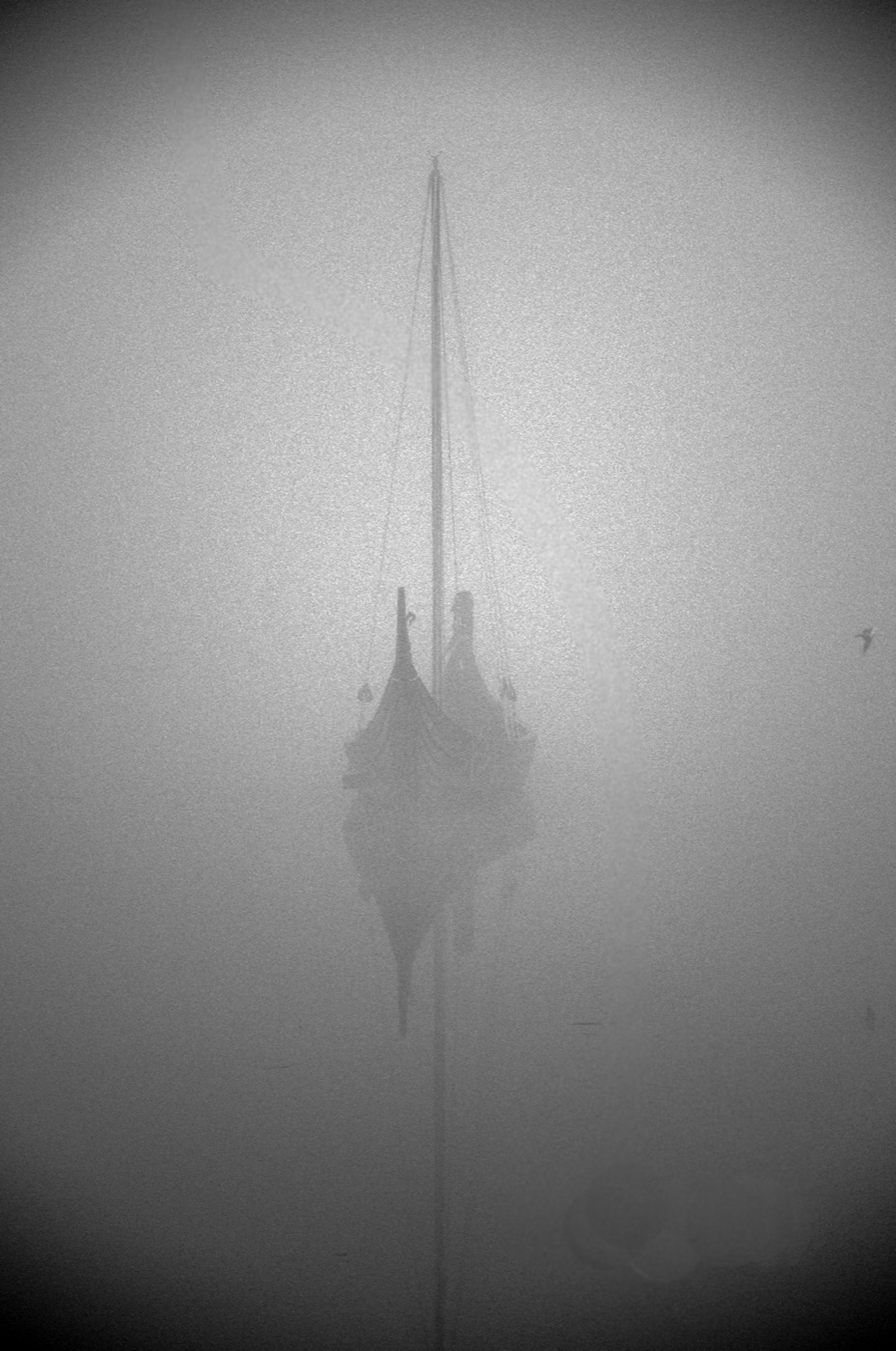
Every first Sunday of August, Catoira relives those invasions. Replica longships sail up the Ulla, the "Vikings" storm ashore by the towers and clash with the locals defending the place — with plenty of wine, lots of laughter and a fair amount of splashing. The festival began in the 1960s and is now officially recognised as being of International Tourist Interest.
If you want to experience it from the water, keep a few things in mind:
- Book well in advance. It's the busiest day of the year for this route and we only have one boat.
- We respect the restricted areas. During the landing there's a safety perimeter around the longships; we position ourselves where the authorities tell us and enjoy the show without getting in the way.
- There's a lot of boat traffic. That's why we recommend the full day: we set off early, find a good spot calmly, then cruise back down the ría for a swim at Areoso or Illa de Arousa.
And if you come any other day of the year, the good news is you'll have the towers all to yourself.
The boat route from Vilanova de Arousa
The itinerary
From Vilanova we head north-east through the inner ría. It's roughly an hour of easy sailing to Catoira, and the trip is worth it in itself:
- Leaving Vilanova, following the coast with Illa de Arousa to port.
- Through the mussel raft fields, where we can stop if you'd like a close look at how mussels are farmed.
- Past Vilagarcía and Carril, with Illa de Cortegada — part of the Atlantic Islands National Park — on the right, one of the wildest corners of the ría.
- Into the mouth of the Ulla, between Rianxo and Catoira, where the water changes colour and the landscape turns green.
- Arrival at the Torres do Oeste, where we anchor or drift slowly past the islet.
This is exactly the final stretch of the Traslatio, the sea route that, according to tradition, carried the body of Saint James to Padrón, re-enacted every summer by a procession of boats. If that story interests you, we'll combine both and tell it on board.
The tide is in charge
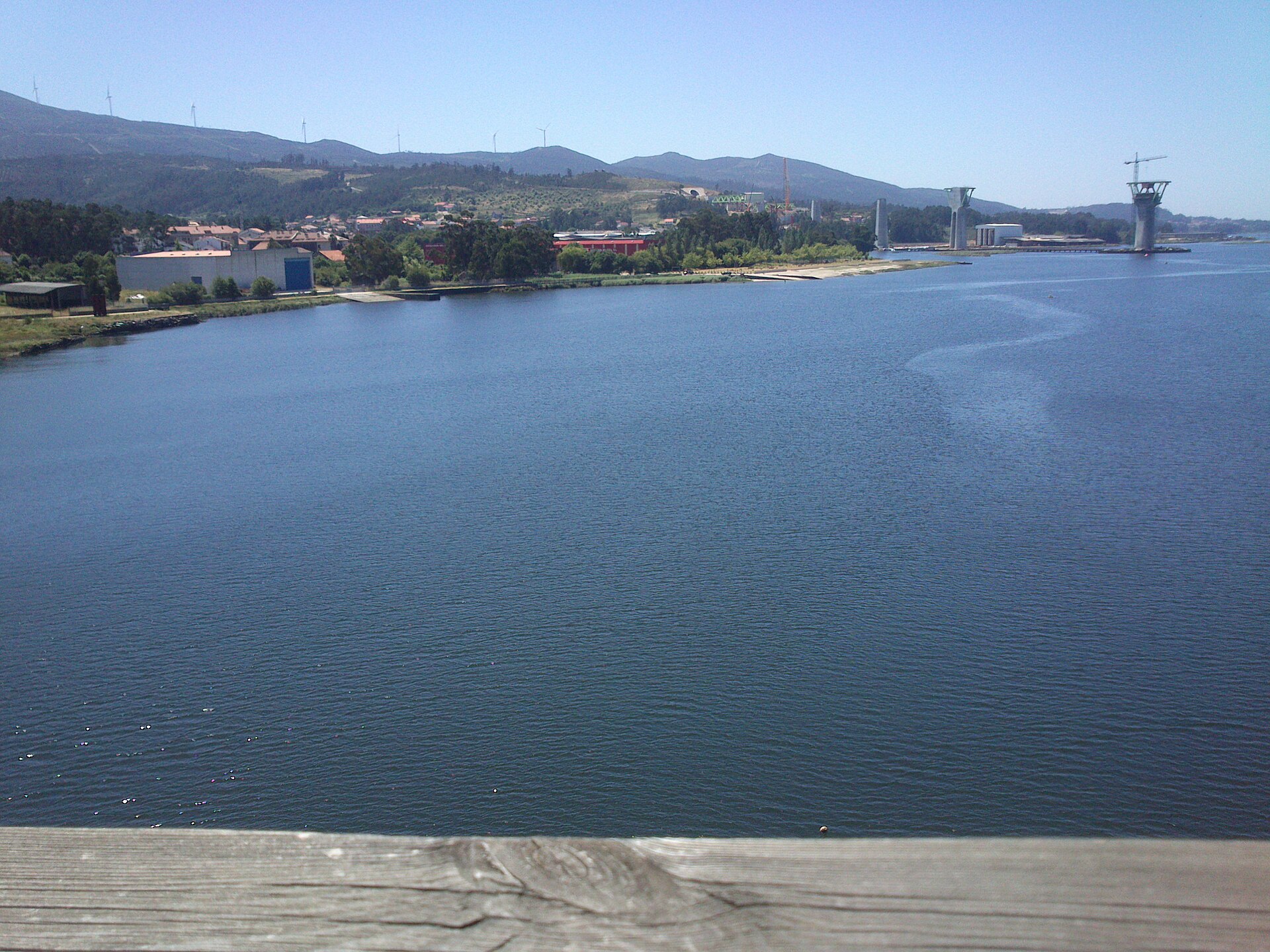
Here's the honest advice, the kind you'll only get from someone who sails this river often: the Ulla is shallow and has shifting sandbanks. It's not a route you can do at any hour. We always plan it around high tide, going in on the rising tide and leaving before it drops too far. That means the departure time is set by the tide table, not the clock.
In practice:
- On a half day (4 h) you can do Vilanova–Catoira–Vilanova if high tide falls nicely in the middle of the slot. It's very much a "route" trip, with little time for swimming.
- On a full day it really shines: Catoira at high tide and, on the way back, anchoring and swimming at Areoso, lunch on board or ashore (Rianxo or Carril are great stops) and the return via Punta Cabalo.
When you message us with your date, we'll check the tides and suggest the ideal timing.
What else to see and do nearby
- Rianxo, on the opposite bank: a seafaring town with a lovely promenade and a good place to moor for lunch.
- Carril, home of the famous clams, with its shellfish beds visible from the boat.
- Pontecesures and Padrón, further upriver, the end of the Traslatio and home of the Padrón peppers (we don't go up there by boat, but they're an easy drive afterwards).
- Birds: the Ulla estuary is a wetland with herons, cormorants and, in autumn and winter, plenty of waders. Bring binoculars.
Prices and booking
Our rates are the same for any route:
- Half day (4 hours): €300
- Full day: €500
- Fuel extra, based on the actual distance. The Catoira route uses a bit more than a short trip to Illa de Arousa; we'll give you an estimate before we leave.
The price is for the whole boat, skipper included, for a maximum of 6 people. It's an 8.5-metre boat with shade, a swim area and room for your own food and drinks (a chilled Albariño in front of the Torres do Oeste is something we recommend wholeheartedly).
You don't need a licence or any experience: the skipper handles the sailing, the tides and finding the best place to anchor.
Book your trip to Catoira
If you fancy sailing up the Ulla the way the Vikings did, message us on WhatsApp at +34 685 74 24 20. Tell us the date and how many of you there are, and we'll check the tide and propose a schedule. We depart from the port of Vilanova de Arousa, half an hour from Santiago and Pontevedra.
Photos: mChuca — CC BY-SA 2.0; Fumedecaroso — CC0; via Wikimedia Commons.
Ready to experience the Arousa estuary onboard?
Full day €500 · half day €300 · fuel extra. Book on WhatsApp and we confirm in under 4 hours.
Book by WhatsApp

